Why Does My Steering Wheel Shake When Braking?
If you have ever felt your steering wheel vibrate or shimmy the moment you press the brake pedal, you already know how unsettling that experience can be. Whether it happens during a slow stop at a traffic light or at highway speeds coming off the freeway, that feedback through the wheel is your vehicle communicating that something is wrong. Understanding why it is happening is the first step toward a fix, and catching it early is almost always the difference between a straightforward brake service and a much more expensive repair down the road. If you're asking, "Why does my steering wheel shake when I brake?" here are some of the reasons from the expert team at Coulter Cadillac Phoenix.
Key Performance Notes
- Primary Cause: Warped brake rotors are the #1 reason for steering wheel vibration.
- Modern Rotors: Usually require replacement rather than resurfacing (turning) because they are thinner than older designs.
- Brake Pads: Thin or unevenly worn pads create "hot spots" that cause pulsing and noise (squealing/grinding).
- Speed Factor: High-speed braking amplifies vibrations, making rotor irregularities more noticeable.
- External Factors: If shaking occurs while cruising (not just braking), check tire balance, alignment, or suspension.
- Safety: Vibrations indicate reduced stopping power and require immediate professional inspection.
Causes of Steering Wheel Shake When Braking
| Cause | Description | Warning Signs |
|---|---|---|
| Warped Rotors | Uneven rotor surfaces cause the pads to "bounce" rather than grip smoothly. | Vibration felt directly through the steering wheel. |
| Worn Brake Pads | Pads are past their service life, leading to uneven friction or material buildup. | Squealing, grinding, or clicking sounds during stops. |
| High-Speed Braking | Increased wheel rotations per second magnify minor rotor imperfections. | Violent shaking when exiting highways or slowing from 65+ mph. |
| Sticking Caliper | A seized caliper keeps the pad in constant contact with the rotor. | Vibration while cruising plus a noticeable burning odor. |
| Brake Imbalance | One side of the brake system is engaging more than the other. | The car pulls to the left or right when braking. |
| Tires & Alignment | Unbalanced wheels or poor alignment mimic brake issues. | Shaking persists even when you are not braking. |
| Worn Suspension | Degraded bushings fail to absorb normal road/brake feedback. | Brake-induced vibrations feel much more severe than usual. |
The Most Common Culprit: Warped Brake Rotors
When your steering wheel shakes specifically while braking, the root cause is almost always in the braking system itself, and warped rotors are the most frequent offender. Here is the mechanic's breakdown of what is actually happening:
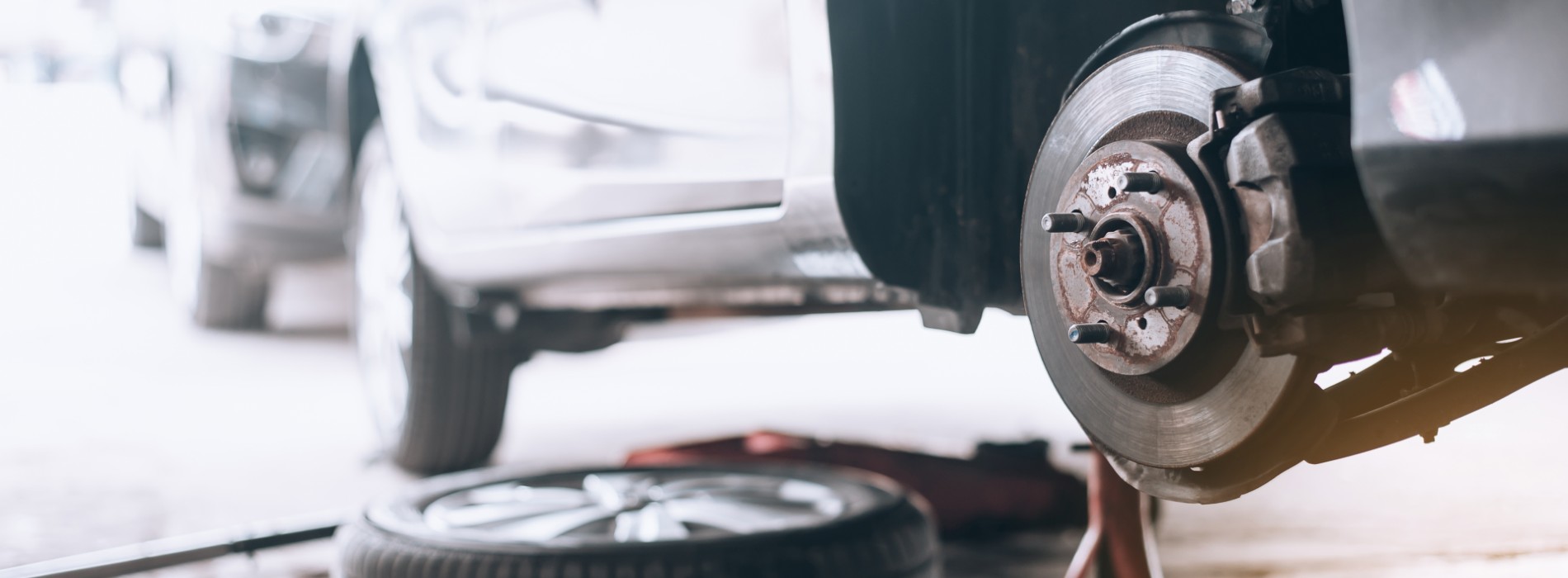
In a disc brake system, a rotor is bolted directly to your wheel hub. When you press the brake pedal, a caliper clamps down on both sides of that rotor using friction material called brake pads. Under normal operating conditions, the rotor surface is perfectly flat, and the contact between pad and rotor is smooth and even. But when a rotor warps, typically from repeated hard stops, sustained heavy braking, or sudden high-speed deceleration, the surface develops a slight lateral run-out, meaning it is no longer truly flat. The result is uneven pad-to-rotor contact that translates directly as a pulsing vibration up through the steering column and into your hands.

Modern rotors are manufactured thinner than older designs, which improves weight and heat dissipation but also makes them more susceptible to warping and far less tolerant of resurfacing. In most cases, a warped rotor needs to be replaced outright, not turned on a lathe.
Worn or Degraded Brake Pads
Thin or unevenly worn brake pads are the other primary brake-related source of steering wheel shake. Pads are the consumable component of the system, engineered to absorb friction so that calipers and rotors last longer. When pads thin past the wear indicator, the material can begin to separate or deposit unevenly on the rotor face, creating thermal hot spots that produce exactly the pulsating vibration you feel through the wheel.
Worn pads also telegraph themselves through sound. Clicking, grinding, or high-pitched squealing during braking are all acoustic indicators that pad material is at or past its service limit. If you are experiencing both the shake and one of those sounds, your pads need immediate attention.

Steering Wheel Shakes When Braking at High Speeds
If the shaking is most pronounced when braking at high speeds, such as coming off a highway ramp or decelerating from 65 mph or faster, the physics of the problem are amplified. At higher velocities, rotor run-out produces more violent vibration because the wheel completes more rotations per second, so surface irregularities strike the pad contact zone at a higher frequency. This makes high-speed brake shudder one of the most reliable diagnostic signals for rotor warp.
A useful self-check: does your car pull to one side when you apply the brakes? That asymmetry typically means one caliper or rotor is performing differently than its counterpart on the opposite axle, and that imbalance is what drags the vehicle off course under braking load.
Other Causes Worth Ruling Out
While the braking system is the primary suspect when shaking occurs during deceleration, a few additional variables are worth evaluating:
- Sticking brake caliper: If the vibration intensifies at cruising speed and you notice a burning odor, a seized caliper may be holding continuous pad contact against the rotor.
- Unbalanced or misaligned tires: If the shake exists at speed even without braking, tire balance and wheel alignment should be evaluated alongside the brake components.
- Worn suspension bushings: Degraded suspension hardware can amplify brake-induced vibration, making the symptom feel more severe than the root cause alone would produce.
Schedule Brake Service at Coulter Camelback Buick GMC
A shaking steering wheel under braking is not something to monitor across several thousand more miles. Braking performance is a direct safety variable, and degraded rotors or pads reduce your stopping capability in the moments that matter most.
The factory-trained service technicians at Coulter Camelback Buick GMC in Phoenix are equipped to diagnose brake vibration precisely and efficiently. Whether you drive a GMC Sierra, a Buick Enclave, or any other vehicle, our team will identify the exact source of the problem and restore your braking system to proper spec.
Book Service Appointment