

Why are my Brakes Squeaking?
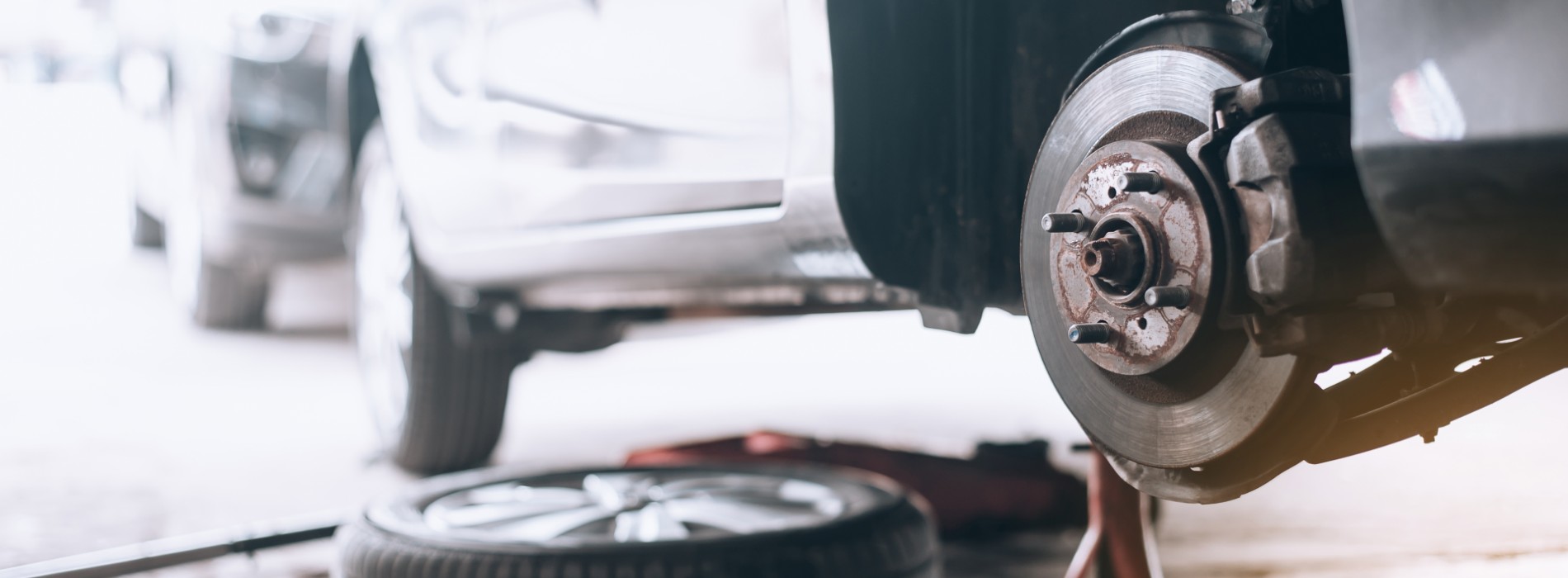
Quick Summary
Brakes typically squeak due to worn pads (triggering built-in metal wear indicators), glazed rotors from overheating, or trapped road debris. While morning squeaking from moisture is often normal, persistent noise ‐ especially in extreme heat ‐ usually indicates a sticking caliper or the need for pad replacement.
That high-pitched squeal coming from your brakes is one of those sounds that is hard to unhear once you notice it. Whether it happens every time you slow down or only shows up occasionally, it is your vehicle's way of flagging something that needs attention. At Coulter Camelback, our service team members are experts in brake repair, and the causes are usually pretty straightforward once a technician gets eyes on the situation.
Common Causes at a Glance
| Common Cause | Description & Details | Pattern/Context |
|---|---|---|
| Worn Brake Pads | Modern pads have a metal wear indicator tab designed to contact the rotor when pad material is low. | A regular, high-pitched squeal indicating replacement is overdue. |
| Glazed Rotors | Repeated overheating and cooling creates a hard, smooth layer on the rotor surface. | Persistent squealing that does not resolve on its own. |
| Debris/Grit | Small stones or grit become lodged between the brake pad and the rotor. | Appears suddenly; may resolve itself but can score the rotor surface. |
| Extreme Heat | Intense Arizona temperatures (110°+) accelerate the wear on pads, rotors, and calipers. | Common in desert climates; worsened by downhill mountain driving. |
| Hardened Pad Material | The physical material of the brake pad has become too hard. | Typically occurs when stopping at lower speeds. |
| Sticking Caliper | The caliper fails to release fully, preventing even contact between the pad and rotor. | Often causes squealing during low-speed braking and uneven wear. |
| Moisture/Rust | Humidity or moisture creates a light layer of rust on the rotors overnight. | Squealing in the morning that disappears after the first few stops. |
The Most Common Reason for the Noise
Brake pads are the first place to look when brake squeaking becomes a regular occurrence. Most modern brake pads are built with a small metal wear indicator tab that is designed to make contact with the rotor once the pad material wears down to a certain point. That contact is what creates the squealing sound. It is essentially a built-in warning system telling you that replacement is overdue or at least coming up soon.
Beyond wear indicators, glazed rotors are another frequent cause. When rotors get overheated and then cool down repeatedly, a hard, smooth layer can form on the surface. That glazed finish causes friction issues and produces a squeal that does not always go away on its own.
Sometimes debris is the culprit. A small stone or piece of grit caught between the pad and rotor will make a lot of noise in a short amount of time. This type of squeal tends to appear suddenly and can sometimes resolve itself, but it is still worth having checked since debris can score the rotor surface if it stays lodged there long enough.
What the Arizona Climate Does to Your Brakes
Understanding what causes squeaky brakes means understanding the environment your vehicle operates in. Phoenix and the surrounding Valley put brakes through a specific kind of stress that drivers in cooler climates simply do not deal with at the same level.
The heat here is constant and intense. Brake components that are already running hot from normal use are then sitting in temperatures that regularly exceed 110 degrees. That combination accelerates wear on pads, rotors, and caliper hardware. If you do any driving outside the city toward Sedona, Prescott, or the White Mountains, the downhill grades add significant strain on top of that. Brakes that are already marginal going into a mountain drive can come back in noticeably worse shape.
When the Squeal Happens at Lower Speeds
There is a specific pattern that is worth paying attention to. When brakes squeak when stopping slowly, it often points to a different issue than high-speed braking noise. Low-speed squealing can indicate that the brake pad material has hardened, that a caliper is not releasing fully and causing uneven pad contact, or that moisture has created light surface rust on the rotor overnight. Morning squealing that disappears after a few stops is usually that last scenario and is fairly normal. Squealing that persists throughout the day regardless of speed is a different conversation.
What You Can Actually Do About It
How to fix squeaky brakes is not a one-size-fits-all answer because the fix depends entirely on what is causing the noise. Worn pads need replacement. Glazed rotors may need resurfacing or replacement depending on how far along the damage is. A sticking caliper needs to be freed or replaced before it causes uneven wear that creates bigger problems down the road.
Figuring out how to stop brakes from squeaking starts with a proper inspection rather than guessing. Our certified technicians at Coulter Camelback have the diagnostic experience to identify exactly what is going on and recommend the right repair, not just the most expensive one.
If you have been putting off looking into that noise, now is a good time to stop doing that. Brakes are not a system where waiting pays off. Schedule a brake inspection with our service team and get a clear answer on what your vehicle actually needs.

